

Introduction
Customer journey mapping is a strategic tool used by businesses to visualise the entire customer experience from initial contact to post-purchase interactions. It involves understanding the various touchpoints, pain points, and emotions that customers go through during their journey. By mapping out this process, businesses can enhance customer satisfaction, increase loyalty, and ultimately improve their bottom line.
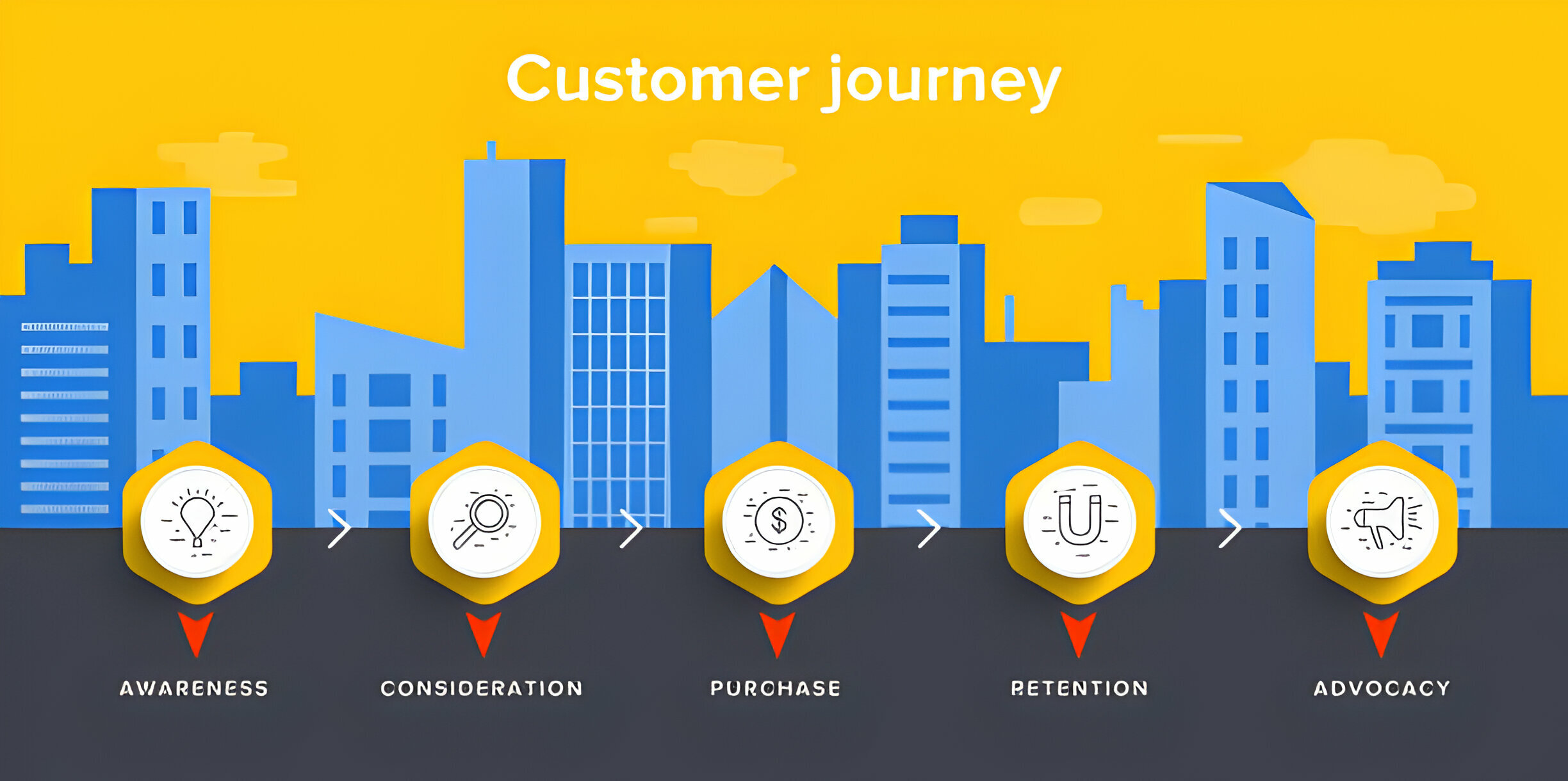
What is Customer Journey Mapping?
Customer journey mapping is the process of creating a visual representation of a customer\’s interactions with a brand across multiple touchpoints. It helps businesses understand the customer experience from start to finish and identify areas for improvement.
The Ultimate Guide to Understanding Customer Journey Mapping Share on X
Importance of Customer Journey Mapping
Customer journey mapping is crucial for businesses to gain insights into their customers\’ needs, preferences, and behaviours. By understanding the customer journey, businesses can tailor their products, services, and marketing strategies to meet the specific needs of their target audience.
Benefits of Implementing Customer Journey Mapping
- Improved customer satisfaction and loyalty
- Increased conversion rates
- Enhanced customer engagement
- Better alignment of marketing and sales efforts

Key Components of Customer Journey Mapping
Identifying Touchpoints
Touchpoints are any interaction that a customer has with a brand, both online and offline. By identifying these touchpoints, businesses can optimise each interaction to create a seamless customer experience.
Understanding Customer Pain Points
Pain points are the challenges or frustrations that customers experience during their journey. By addressing these pain points, businesses can enhance the overall customer experience and increase satisfaction.
Mapping Customer Emotions Along the Journey
Emotions play a significant role in shaping the customer experience. By mapping out the emotions that customers feel at each touchpoint, businesses can better understand their needs and motivations.
The Ultimate Guide to Understanding Customer Journey Mapping Share on X

Steps to Creating an Effective Customer Journey Map
Research and Data Collection
Gather data from various sources, including customer feedback, surveys, and analytics, to gain insights into the customer journey. Use this data to identify patterns and trends that can inform your customer journey map.
Developing Customer Personas
Create customer personas based on your research to represent different segments of your target audience. By understanding the needs and preferences of each persona, you can create more personalised customer journey maps.
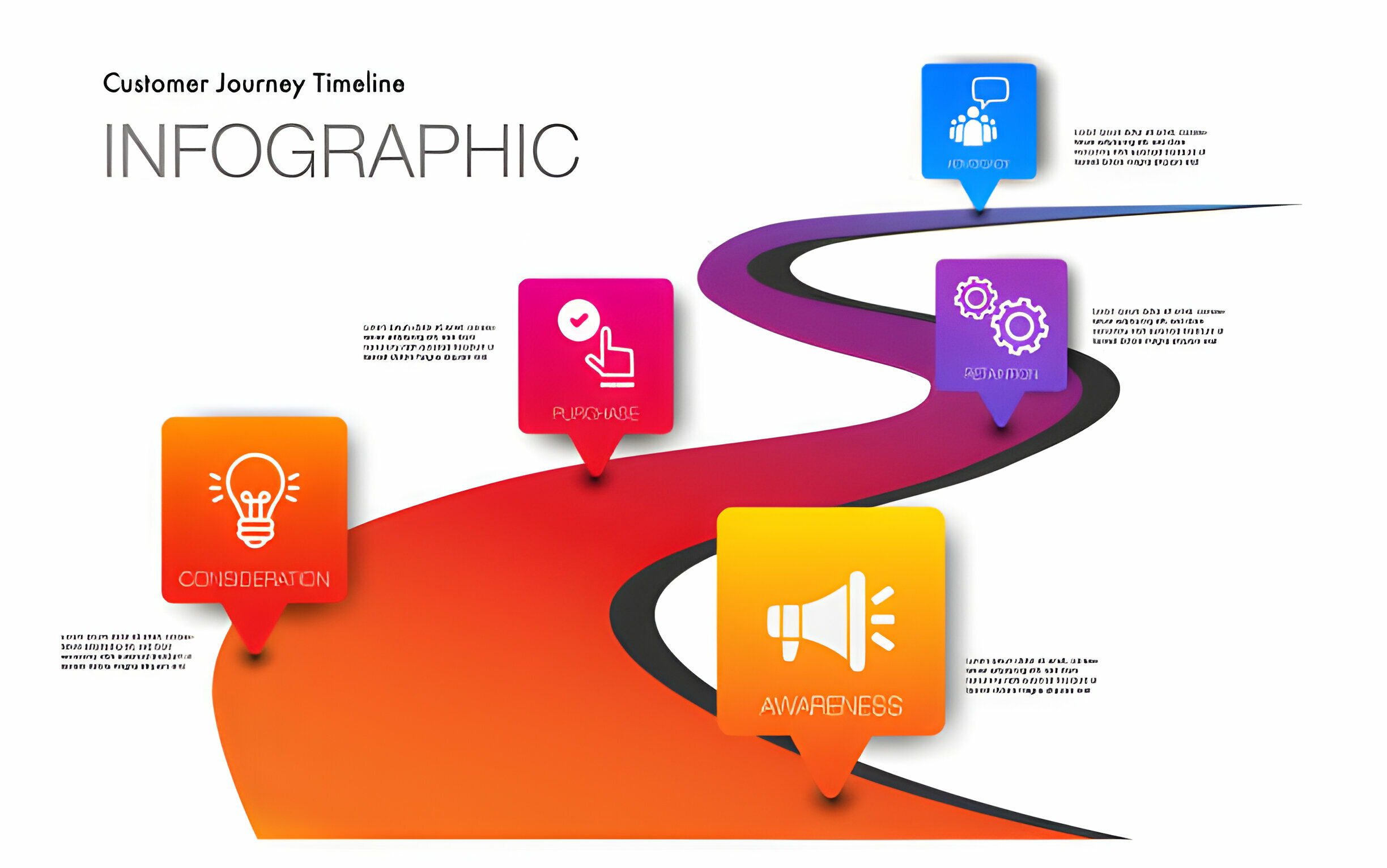
Creating a Visual Representation of the Customer Journey
Use tools like customer journey mapping software or templates to create a visual representation of the customer journey. This will help you visualise the entire customer experience and identify areas for improvement.
Implementing Customer Journey Mapping in Your Business
Engaging Cross-Functional Teams
Involve teams from across your organisation, including marketing, sales, customer service, and product development, in the customer journey mapping process. This cross-functional collaboration will help ensure that all departments are aligned in delivering a seamless customer experience.
Implementing Feedback Loops for Continuous Improvement
Collect feedback from customers at various touchpoints along the journey to continuously improve your customer journey map. Use this feedback to make data-driven decisions that enhance the overall customer experience.
Integrating Customer Journey Mapping with Marketing Strategies
Use insights from your customer journey map to inform your marketing strategies. Tailor your messaging, channels, and campaigns to align with the various touchpoints in the customer journey.

Measuring Success and Optimising the Path to Purchase
Tracking Key Metrics
Monitor key performance indicators (KPIs) such as conversion rates, customer retention, and customer satisfaction to measure the success of your customer journey mapping efforts. Use these metrics to optimize the path to purchase and improve the overall customer experience.
Leveraging Technology for Data Analysis
Utilise technology tools like analytics software and customer relationship management (CRM) systems to analyse data and gain insights into the customer journey. This data-driven approach will help you make informed decisions and drive results.
Making Data-Driven Decisions for Optimal Customer Experience
Use the data gathered from your customer journey map to make data-driven decisions that optimise the path to purchase. By continuously analysing and refining your customer journey map, you can ensure a seamless and engaging customer experience.

Conclusion
In conclusion, customer journey mapping is a valuable tool for businesses looking to optimize the path to purchase and improve customer experience. By following the key components, steps, and implementation strategies outlined in this guide, businesses can create effective customer journey maps that lead to increased customer satisfaction and loyalty.
Key Takeaways for Optimising the Path to Purchase
- Understand the customer journey from start to finish
- Identify key touchpoints and pain points
- Use data to create personalised customer experiences
FAQs on Customer Journey Mapping
- How often should I update my customer journey map?
- What tools are available for creating customer journey maps?
- How can I measure the ROI of implementing customer journey mapping in my business?
Remember, customer journey mapping is an ongoing process that requires continuous monitoring and refinement to ensure optimal results. By focusing on enhancing the customer experience at every touchpoint, businesses can build lasting relationships with their customers and drive long-term success.

